
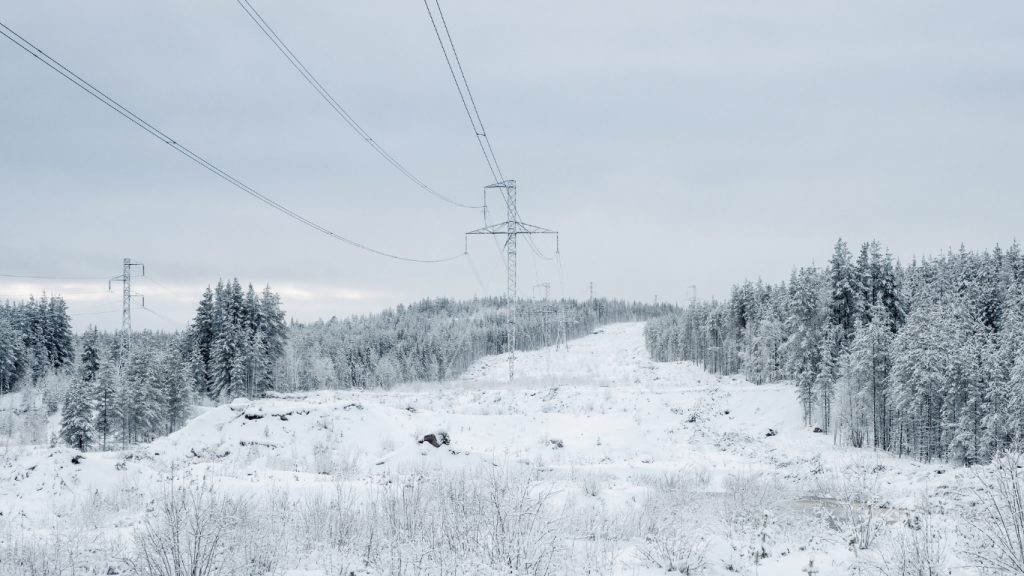
Why Energy Conservation Requests Happen During Extreme Temperatures
During periods of extreme cold or heat, you may occasionally see requests to conserve energy or reduce electricity use during certain times of day. It’s understandable to have questions about why this happens, especially when weather conditions feel outside the norm.
This article explains what’s happening behind the scenes and why conservation requests are sometimes necessary to keep power available for everyone.
How the electric grid works (in simple terms)
Electricity is different from most products we use every day. It isn’t stored in large quantities waiting to be used. Instead:
- Electricity must be generated as it’s needed
- Then delivered instantly through the electric grid to homes, businesses and essential services
On a typical day, the system is designed to meet the demand reliably and comfortably. But during extreme weather, demand can rise very quickly.
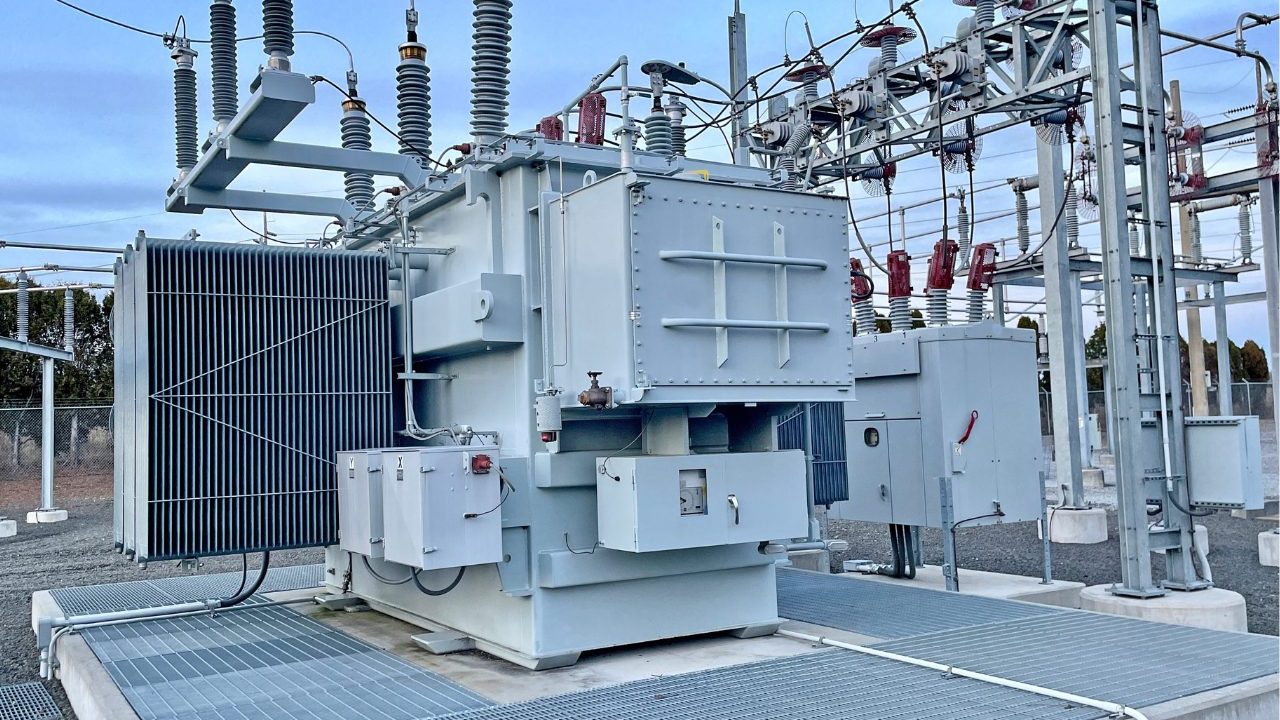
What happens during temperature extremes
Extreme temperatures, whether well below zero in the winter or high heat and humidity in the summer, place similar strain on the electric grid.
During extreme cold:
- Furnaces, space heaters and heat pumps may run continuously
- Lighting and appliances use often increases as people stay indoors
- Electricity use remains high throughout the day and night
During extreme heat:
- Air conditioners run for long periods, often at the same time across entire regions
- Peak demand typically occurs in the afternoon and early evening
- Cooling systems place sustained demand on generation and transmission resources
In both cases, the key issue is the same:
A large number of customers need a lot of electricity at the same time, over and above what is normally planned.
At the same time, extreme temperatures can affect:
- Generating resource availability
- Fuel supply and transportation
- Equipment efficiency across the regional grid
Why conservation requests are sometimes issued
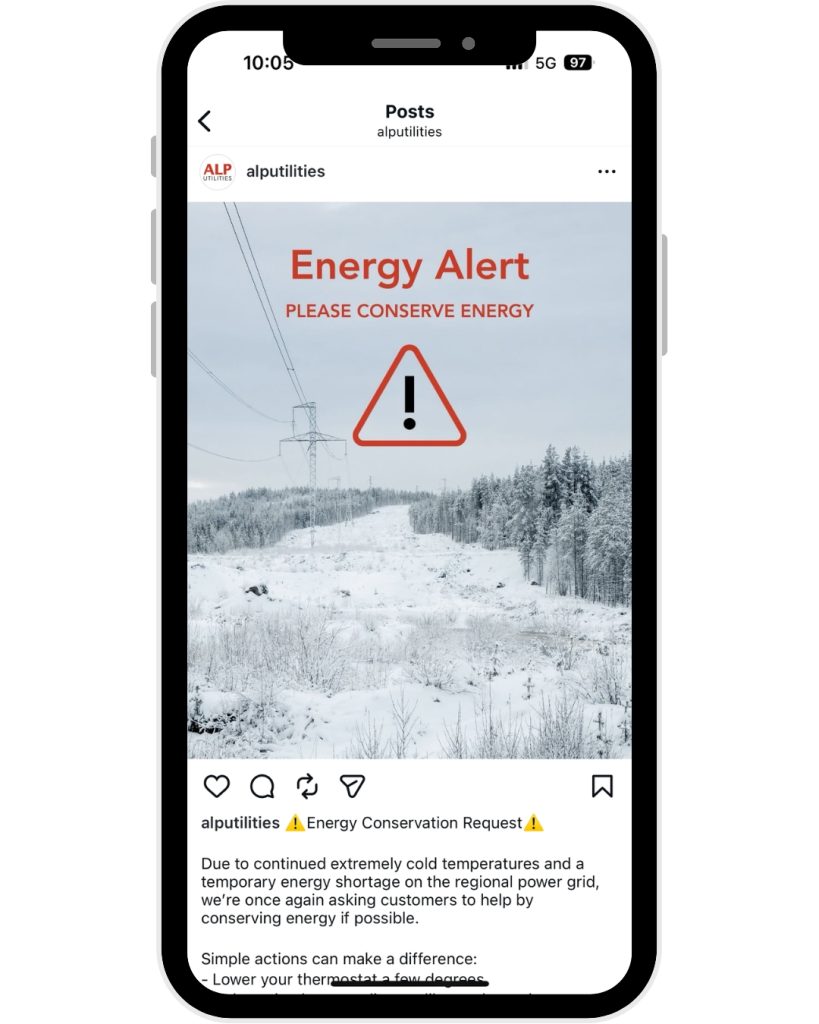
When demand approaches the maximum available supply on the regional grid, system operators may ask utilities, and customers to temporarily reduce energy use.
These requests are a preventative measure.
They help:
- Keep the electricity system balanced
- Reduce stress on generation and transmission resources
- Ensure power remains available for critical needs, such as hospitals, emergency services and vulnerable customers.
Even small reductions, spread across many households and businesses, can make a meaningful difference.
What conservation requests mean, and what they don’t
A request to conserve energy does not mean something has gone wrong locally. Rather, it reflects how carefully the electric grid is managed during extraordinary conditions.
These moments are less about local infrastructure and more about:
- Regional demand
- System-wide generation constraints
- Operating safely within physical limits
Conservations requests are a tool used across the country, by utilities of all sizes when conditions push the system towards its highest operating levels.
How customers can help during conservation periods
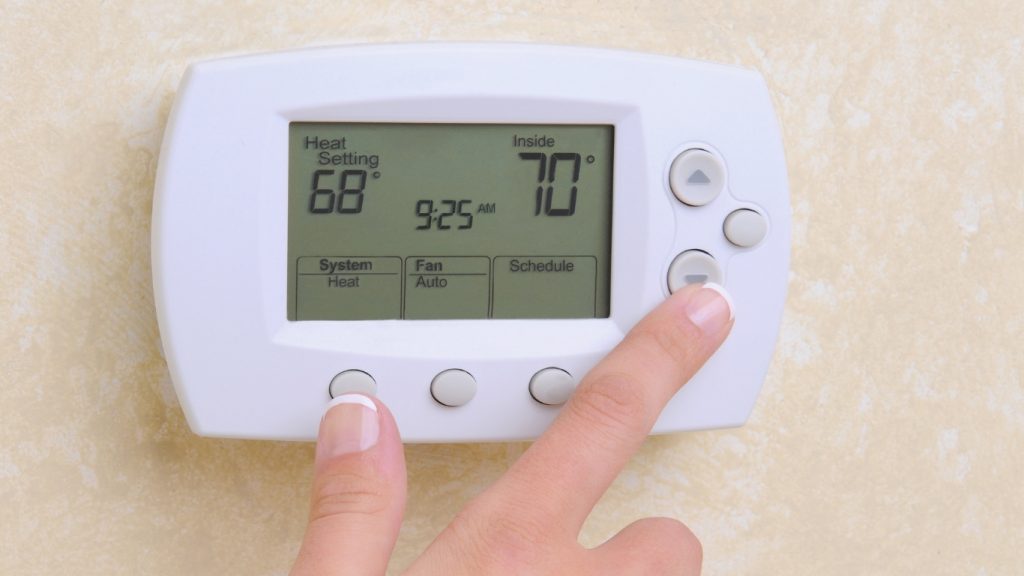
During conservation requests, simple actions can help reduce strain on the grid, such as:
- Adjusting the thermostat, even a couple of degrees
- Avoiding use of large appliances during peak hours like dishwashers and dryers
- Turing off unnecessary lights and electronics
No single action solves the problem, but collective effort does. These steps are temporary and help stabilize the system until conditions improve.
The bottom line
Energy conservation requests during extreme temperatures are about reliability, safety and shared responsibility. Public power utilities exist to serve their communities, and clear communication is part of that commitment, especially during challenging conditions. When temperatures moderate, the grid does too.